
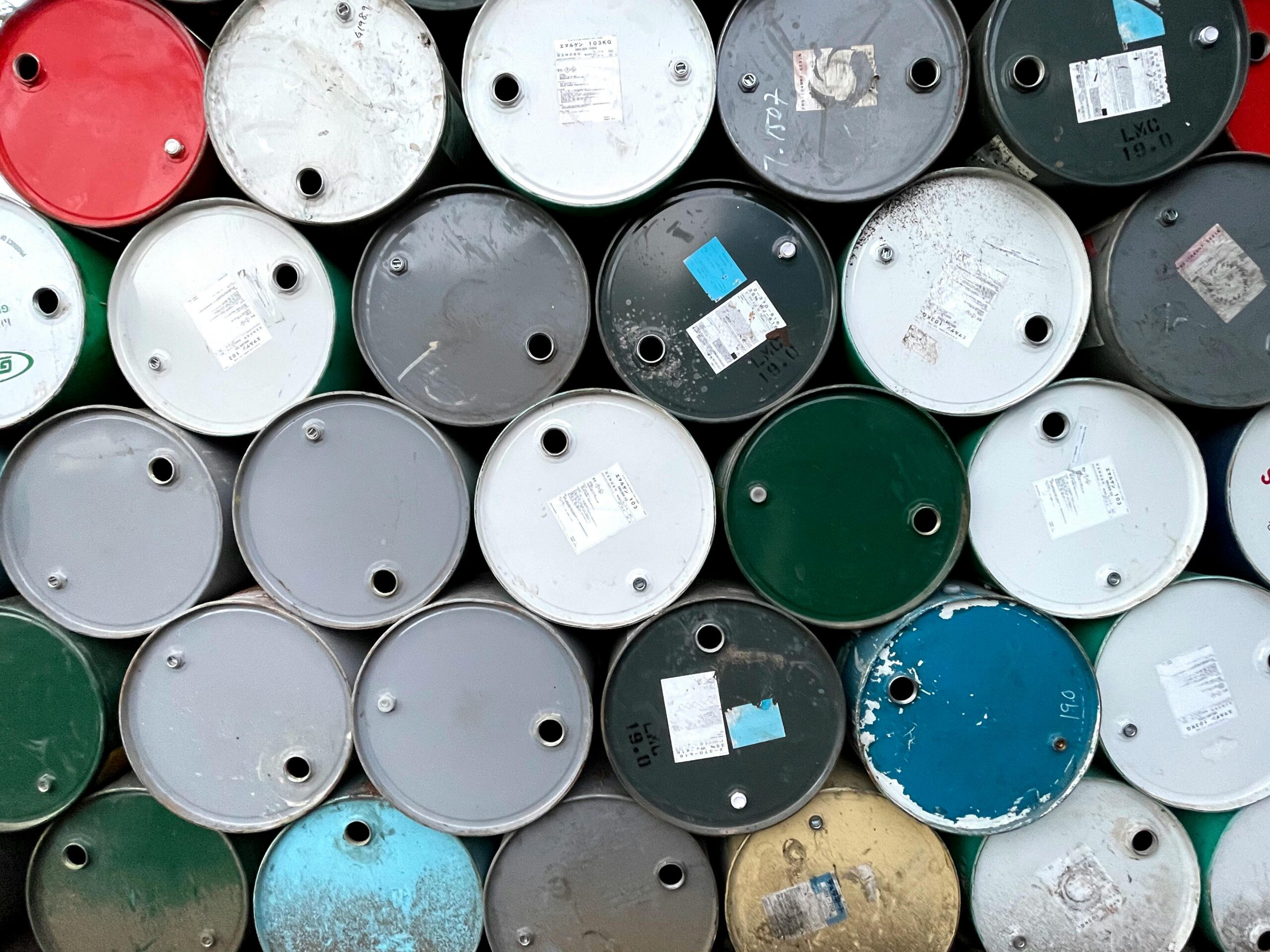
Hazardous Waste Minimization Plan
SEC delivers expert support for developing compliant and effective Hazardous Waste Minimization Plans (HWMPs) that help reduce environmental liability, control operation costs, and meet federal/state regulatory requirements.
Hazardous Waste Minimization
Plan Compliance & Regulations
What is a Hazardous Waste Minimization Plan?
A Hazardous Waste Minimization Plan (HWMP) is a structured approach mandated by the Resource Conservation and Recovery Act (RCRA) to reduce the volume and toxicity of hazardous waste generated by industrial facilities. These plans focus on source reduction and environmentally responsible recycling prior to treatment or disposal. While often associated with Pollution Prevention (P2), their main distinctions include:
-
- Waste Minimization: Regulated under RCRA, specifically for reducing hazardous waste through source reduction and recycling
- Pollution Prevention: Regulated under the Pollution Prevention Act, which focuses on broader approach aimed at reducing all toxic substances before they enter waste stream
To regulate waste management, EPA has listed their preferred emphasize in descending order of environmental protection:
-
- Source Reduction
- Recycling & Reuse
- Energy Recovery
- Treatment & Disposal
Who Needs a Hazardous Waste Minimization Plan?
Facilities that typically require HWMP include:
-
- Large Quantity Generators (LQGs)
- Facilities Generating ≥ 25 Tons/Year of Hazardous Waste
- Facilities with On-site RCRA Treatment, Storage, or Disposal Units
- Universities and research institutions that generate hazardous waste
Notes: Waste from corrective actions, site cleanups, or demolition are excluded from the 25-ton threshold.
What Does a Hazardous Waste Minimization Plan Contain?
A complete HWMP includes the following key components:
-
- Cover Sheet & Certification Page
- Waste Inventory (90% of generated waste)
- Waste Stream Descriptions & Flow Diagrams
- Production/Activity Index per Stream
- Cost Analysis (e.g. storage, transport, disposal, etc.)
- Feasibility Assessments for Minimization Options
- Selected Reduction Measures
- Waste Minimization Policy & Management Commitment
Key Elements of an Effective HWMP
According to the EPA’s guidance, successful HWMP should be built around the six core elements:
-
- Top-Level Management Support – Set goals, assign responsibilities, and provide training
- Characterization of Waste & Cost – Track generation and management cost
- Regular Waste Minimization Assessments – Identify opportunities for source reduction
- Cost Allocation – Attribute waste costs to responsible processes or departments
- Sharing of Best Practices – Leverage best practices from internal and external sources
- Program Evaluation & Continuous Improvement – Monitor results and refine plan
Benefits of a HWMP
An effective HWMP offers significant operation and compliance benefits such as operational efficiency, reduced environmental impacts, and cost-efficiency. Through this process facilities might change generator status to qualify for less stringent regulations. Our SEC experts can guide your facility through every step of the planning and construction of HWMP to ensure compliance and accuracy.
Need Help with HWMP?
Reach out to us via the “Get a Quote” button below! Our experts are ready to support your team in developing compliant, results-driven, and fully tailored HWMP.
Serving the Southeast
NASHVILLE | CHATTANOOGA | BIRMINGHAM
Serving the Southeast
NASHVILLE | CHATTANOOGA | BIRMINGHAM
NASHVILLE
CHATTANOOGA
BIRMINGHAM