
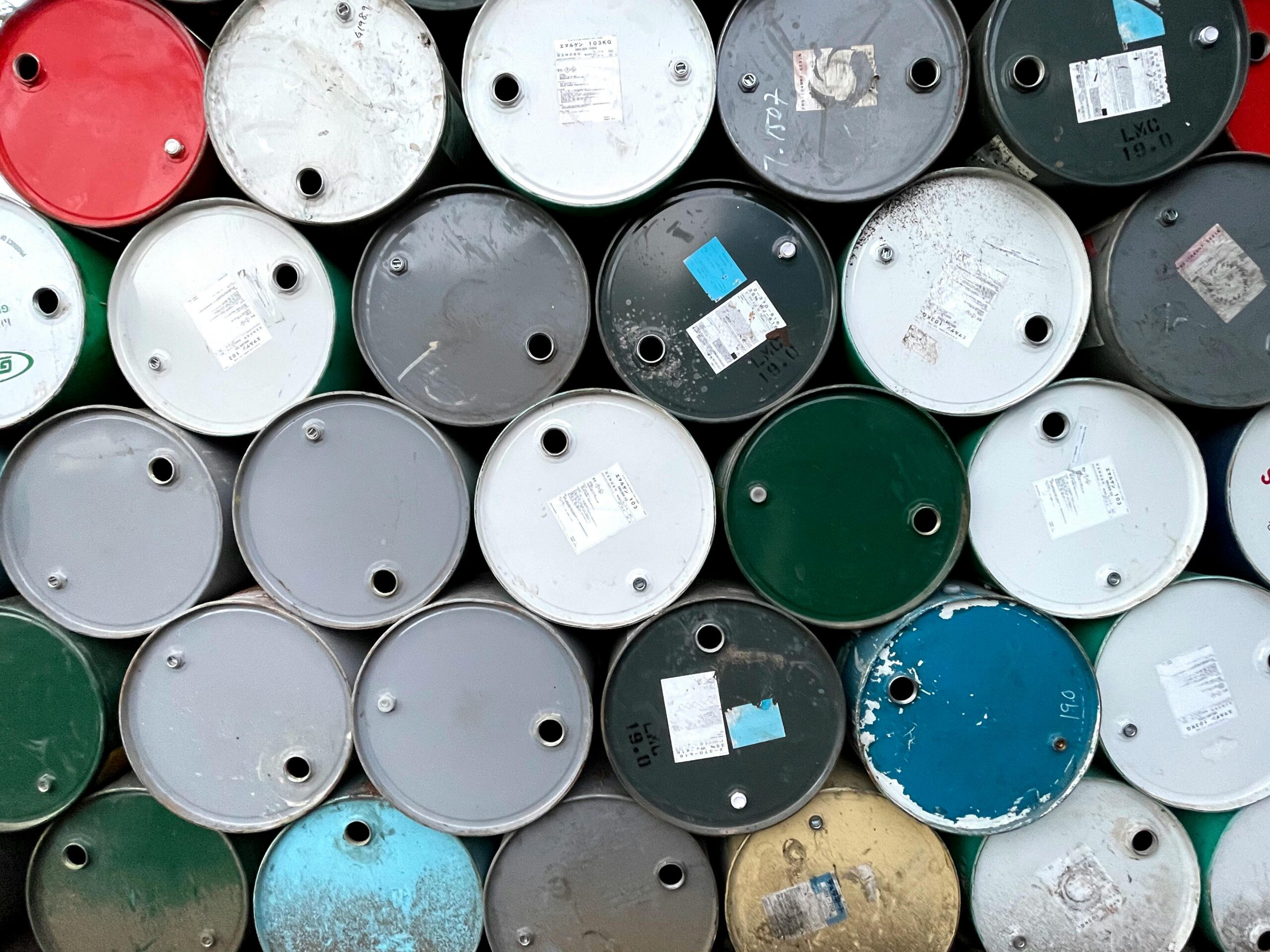
Waste Mapping
SEC helps facilities implement wastes mapping to visualize, analyze, and manage waste streams across operations, supporting compliance with state and federal regulations.
Waste Mapping Generation & Processes
What is Waste Mapping?
Waste mapping is a systematic process used to visualize, analyze, and manage the flow of materials and waste throughout an organization’s lifecycle from procurement through processing, storage, recycling, and disposal.
Waste streams can include solid, liquid, or gaseous materials that are recycled, discarded, incinerated, or disposed of. Locating and categorizing these sources improves tracking and supports compliance with the Resource Conservation and Recovery Act (RCRA) and other waste management requirements.
Who Needs Waste Mapping?
Waste mapping is generally required for:
-
- Facilities regulated under RCRA
- Subtitle C – Hazardous waste generators, transporters, and treatment, storage, and disposal facilities (TSDFs)
- Subtitle D – Non-hazardous solid waste management facilities
- Facilities that transport or handle hazardous materials
- Facilities applying for or maintaining:
- Special waste approvals
- Spill Prevention, Control, and Countermeasure (SPCC) Plans
- NPDES/Stormwater permits where mapping informs Stormwater Pollution Prevention Plan (SWPPP) development
- Facilities regulated under RCRA
Categorization and Types of Waste
Waste mapping is used to identify two main categories of waste.
-
- Lean Process Waste (Acronym: TIMWOODS/DOWNTIME)
- Transportation – Unnecessary movement of materials or products
- Inventory – Excess material or work in progress beyond what’s immediately needed
- Motion – Unnecessary movement of people
- Overproduction – Producing more or faster than needed
- Overprocessing – Doing more work or service than required
- Defects – Reworks, errors, mistakes, or repair resulting in more resources utilized
- Skills (or Non-Utilized Talent) – Not optimizing employee’s skills or knowledge
- Physical Waste Types
- Solid waste
- Hazardous waste
- Organic waste
- Liquid waste
- Lean Process Waste (Acronym: TIMWOODS/DOWNTIME)
Waste Mapping Process
The general waste mapping process follows:
-
- Define Scope – Outline facility boundaries, processes, and waste streams to be assessed
- Gather Data – Collect quantitative and qualitative data from site visits, operational records, and employee interviews
- Generate Map – Create a visual diagram of waste streams, where each waste should be listed with:
- Whether or not its hazardous
- Generation point
- Storage location
- Final destination
- Typical points where environmental impacts are mapped include:
- Metal fabrication
- Surface cleaning & coating
- Parts washing
- Plastic forming
- Metal finishing
- Chemical formulation
- Hazardous materials handling
- Wastewater treatment & waste management operations
- Identify Waste – Pinpoint inefficiencies, regulatory risks, and high-impact streams (e.g. hazardous waste)
- Develop Future Management Methodologies
- Implement Improvements
Benefits of Waste Mapping
Waste mapping provides clear visualization of where waste are generated, which helps facilities have a better understanding of which permits or approvals are required. Our SEC team is ready to support your facility with waste mapping and ensure all necessary compliance standards are met along with reduction of disposal cost and support of environmental initiatives.
Seeking Waste Mapping Support?
Contact SEC today to learn how we can help your facility achieve compliance, quantify waste generation,
and reduce environmental impact. Click the “Free Consultation” button below to get started!
Serving the Southeast
NASHVILLE | CHATTANOOGA | BIRMINGHAM
Serving the Southeast
NASHVILLE | CHATTANOOGA | BIRMINGHAM
NASHVILLE
CHATTANOOGA
BIRMINGHAM