
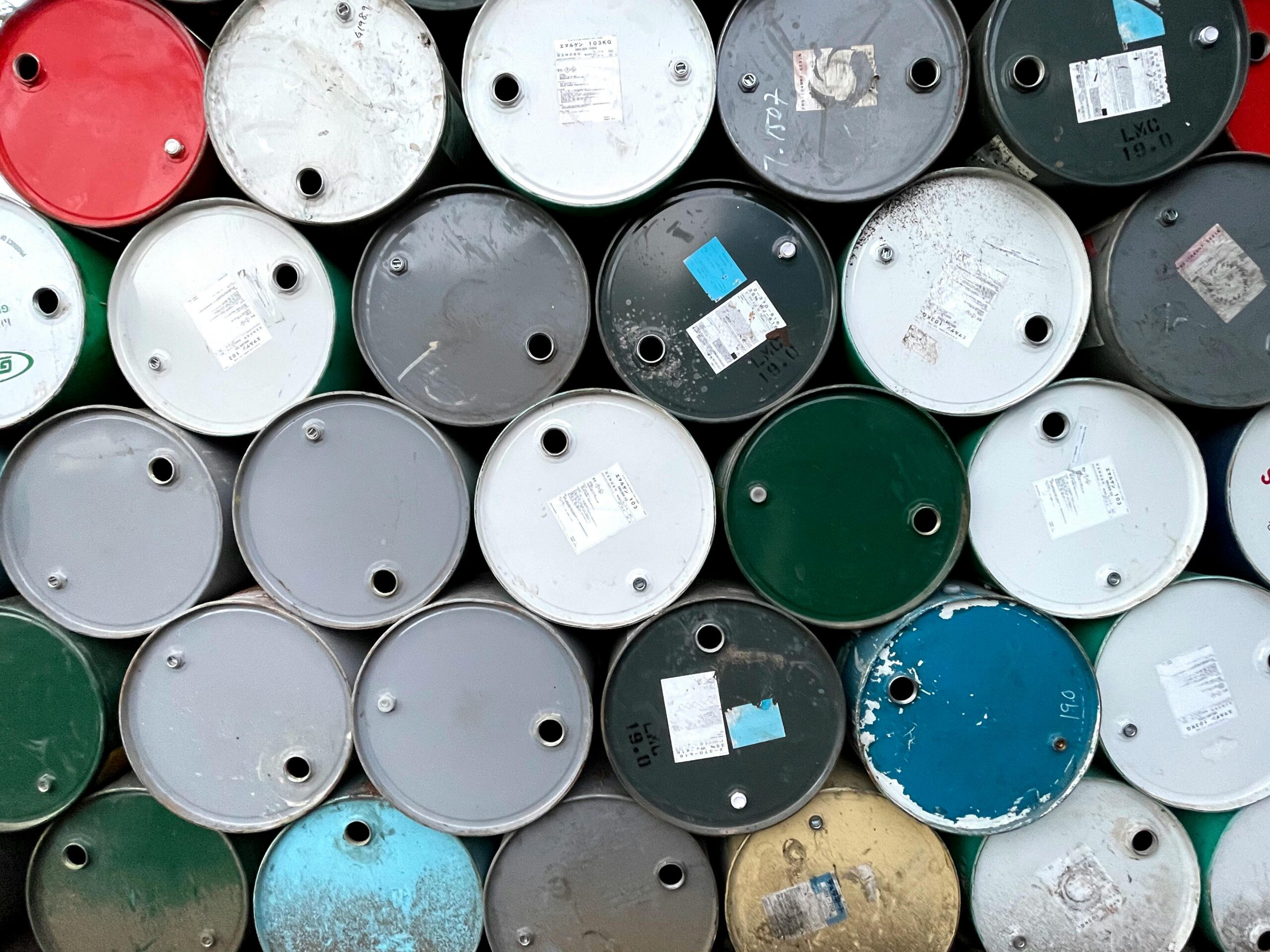
Special Waste Approval
SEC provides expert support to ensure proper classification and approval of special waste with federal solid waste regulations.
Special Waste Approval Process & Regulations
What is Special Waste?
Special waste refers to solid waste that is not municipal garbage or household trash, but requires special handling due to their:
-
- Physical characteristics (e.g. sludges)
- Source (e.g. industrial waste)
- Regulatory classification (e.g. non-hazardous but potentially reactive)
Although the term “special waste” is often interchangeably used with industrial or hazardous waste, it refers specifically to certain non-hazardous waste that require pre-approval before landfill disposal. These wastes fall into six specific categories that were deferred from regulation under the EPA’s Subtitle C of the Resource Conservation and Recovery Act (RCRA) due to their large volumes and unique management considerations.
The EPA-defined industrial waste categories are:
-
- Cement Kiln Dust (CKD)
- Mining & Mineral Processing Waste
- Crude Oil & Natural Gas Waste
- Fossil Fuel Combustion Waste
- Large-volume coal combustion residues
- All remaining fossil fuel waste
- Phosphate rock mining, beneficiation, and processing waste
- Uranium waste
Note: States can add more requirements and go beyond the EPA-defined industrial waste categories. For instance, Tennessee generally includes industrial waste also.
What is Special Waste Approval?
Special Waste Approval is the formal authorization required to dispose of certain non-hazardous, industrial, or atypical solid wastes that may pose challenges to standard landfill operations. This occurs at the state level for states that have an authorized solid waste or hazardous waste program. Often referred to as Class I waste (depending on state terminology), these materials are not hazardous under RCRA Subtitle C but still require regulatory or facility-level review before disposal.
The approval process ensures that:
-
- The waste is properly characterized and documented
- It is safely handled, transported, and disposed of
- Disposal facilities are equipped and permitted to manage the waste
- Public health and the environment are protected
Special waste approval is typically required by state environmental agencies or directly by permitted disposal facilities and must be obtained before landfill acceptance.
Who Needs Special Waste Approval?
Facilities that wish to dispose of solid waste require Special Waste Approval if they:
-
- Operate manufacturing or processing facility generating non-standard waste
- Manage remediation projects or energy spill cleanups
- Handle construction projects involving asbestos or contaminated materials
- Produce large volumes of sludges, ash, or liquids not routinely accepted at landfills
General Special Waste Approval Process
The general steps to Special Waste Approval follow:
-
- Waste Profiling – Detailed information about waste (e.g. composition, source, quantity)
- Assessment & Analysis – Laboratory analysis, determine its specific characteristic, and determine whether criteria is met
- Facility Review & Approval – Waste assessed by disposal facility to ensure that all necessary permits and equipment handled
- Special Handling & Disposal – Waste transported and disposed according to approved procedures (e.g. specialized packaging, treatment, or disposal methods)
- Receive Disposition
- Denial letter
- Non-special waste letter (disposed without special designation)
- Special waste approval letter
Need Support with Speical Waste Approval?
Let our SEC team simplify the process for you! Reach out to us via the “Free Consultation” button below.
Serving the Southeast
NASHVILLE | CHATTANOOGA | BIRMINGHAM
Serving the Southeast
NASHVILLE | CHATTANOOGA | BIRMINGHAM
NASHVILLE
CHATTANOOGA
BIRMINGHAM