
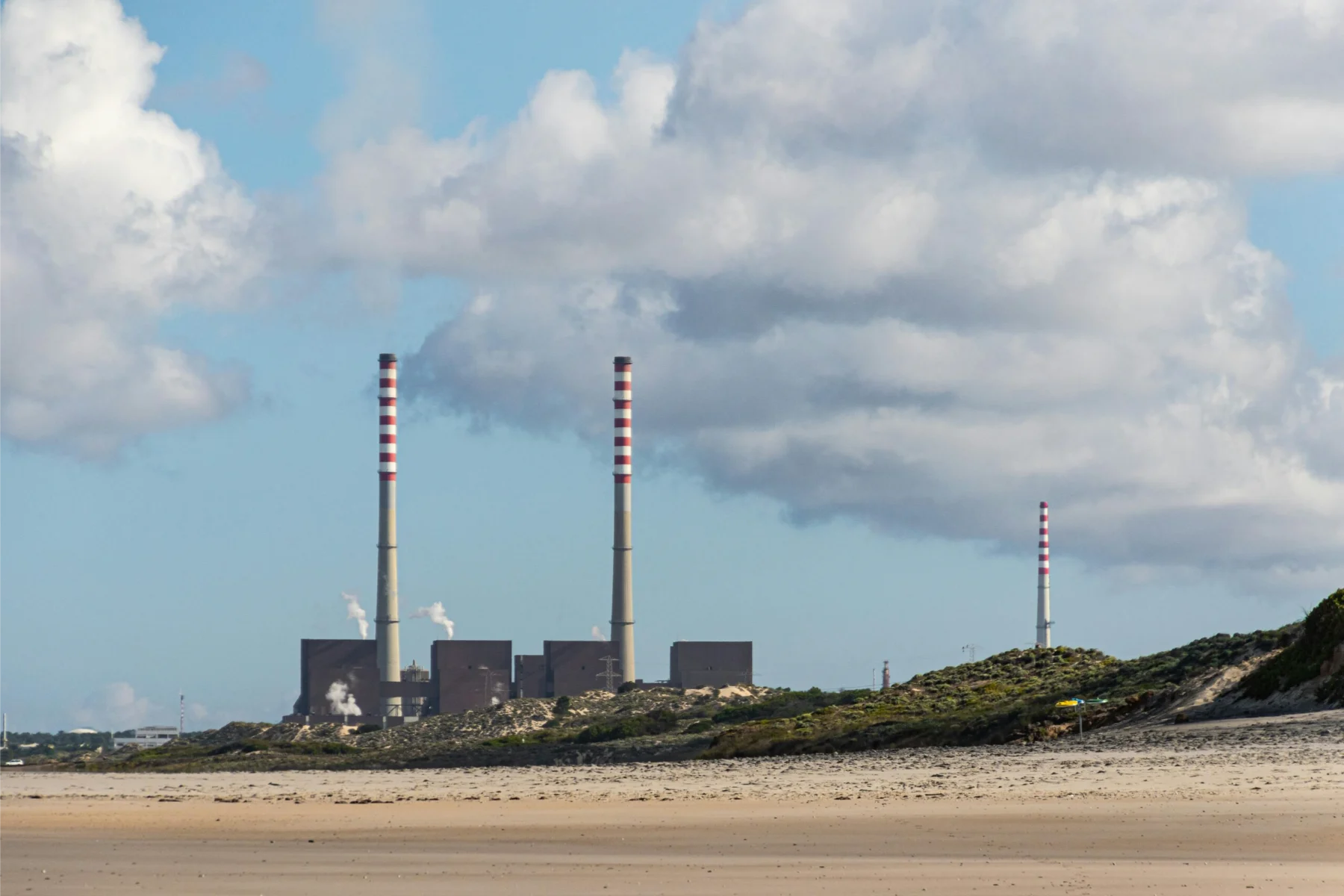
Air Dispersion Modeling: Non-Attainment Permitting
SEC provides expert air dispersion modeling and air quality monitoring services to support facilities operating in EPA-designated nonattainment areas. Our services help ensure regulatory compliance, minimize permitting risk, and advance projects under complex nonattainment requirements.
Our Air Dispersion Expert: Liesa Elliott
Nonattainment Permitting Modeling Components
What Is Nonattainment Permitting Air Dispersion Modeling?
Nonattainment permitting air dispersion modeling is required for new or modified major stationary sources located in areas that do not meet the National Ambient Air Quality Standards (NAAQS).
When an area is classified as nonattainment, permitting authorities must evaluate whether emissions from a proposed project would worsen air quality or interfere with future attainment. Air dispersion modeling is used to predict ambient pollutant concentrations and support permitting determinations under Nonattainment New Source Review (NNSR).
Additional regulatory context is provided on our Nonattainment Area Standards page.
Types of Impact Analysis for Modeling
Air dispersion modeling for nonattainment permitting generally involves one or both of the following analyses, depending on project impacts and regulatory expectations.
-
- Source Impact Modeling (Project Sources Only) – Source Impact modeling evaluates emissions from the proposed new or modified project to determine its direct, localized air quality impact.
- Purpose: To determine whether the proposed project triggers the need for a more detailed cumulative air quality analysis
- Scope: Includes only emissions from new or modified units
- Threshold: Analysis may conclude if modeled concentrations are below applicable Significant Impact Levels (SILs) – Any pollutants that are non-attainment must be below their SILs
- Results: Used to determine whether the project causes a significant air quality impact that warrants further analysis
- Cumulative Impact Modeling – Cumulative impact modeling evaluates the combined impact of the proposed project and surrounding emission sources to assess compliance with air quality standards. This analysis would only be for pollutants that are in attainment for the facility’s area. Any pollutants that are non-attainment must be below the SILs.
- Purpose: To determine whether the combined emissions from the project and nearby sources would violate NAAQS
- Scope: Includes emissions from the proposed project, nearby industrial sources, and background concentrations (modeled and/or monitored)
- Threshold: Assesses total predicted concentrations against applicable regulatory standards
- Result: Determines whether the project would cause or contribute to an air quality standards violation
- Key Differences
- Source impact modeling is a screening step; cumulative impact modeling is a comprehensive regulatory assessment
- Source impact modeling evaluates only project emissions; cumulative modeling evaluates combined regional or localized impacts
- Cumulative impact modeling is generally required only if source impact modeling exceeds applicable SILs, subject to state-specific requirements
- Cumulative impact modeling is not used for non-attainment pollutants, since the background concentration alone violates the NAAQS
- Source Impact Modeling (Project Sources Only) – Source Impact modeling evaluates emissions from the proposed new or modified project to determine its direct, localized air quality impact.
Note: Significant Impact Levels (SILs) are EPA-established screening thresholds for criteria pollutants used in air dispersion modeling to determine whether a proposed project requires cumulative air quality analysis under NSR and nonattainment permitting.
Requirements for Modeling Under Nonattainment Permitting
Air dispersion modeling is a required component of nonattainment permitting and must:
-
- Follow EPA’s Guideline on Air Quality Models
- Demonstrate that emissions increases will not cause or contribute to a violation of NAAQS
- Support determinations related to Lowest Achievable Emission Rate (LAER)
- Provide regulator-ready documentation suitable for review and compliance certification
State Regulations for Nonattainment Dispersion Modeling
All states with EPA-delegated air permitting authorities require air dispersion modeling for nonattainment permitting. These requirements are federally mandated under the Clean Air Act and implemented through each state’s State Implementation Plan (SIP).
While the EPA framework is consistent nationwide, state-specific requirements may vary with respect to:
-
- Model selection and configuration
- Treatment of background concentrations
- Receptor placement and modeling domain
- Expectations for cumulative impact analysis
Air dispersion modeling may be required under multiple permit types, including Nonattainment NSR, PSD, and Title V, depending on project characteristics. SEC helps navigate these state-level differences efficiently and provide support tailored to your facility.
Staying Ahead of Nonattainment Permitting Modeling
Nonattainment designations and regulatory requirements can change over time, increasing permitting risk for future projects. Early engagement and proactive air dispersion modeling can help facilities:
-
- Identify potential permitting constraints before project submittal
- Reduce agency review timelines
- Support long-term compliance planning under evolving SIP requirements
- Protect attainment areas from adverse air quality impacts
SEC delivers expert, regulator-ready modeling that supports permit approvals and long-term operational success and flexibility.
Need Modeling Support for Non-Attainment Permitting?
If you need support, please do not hesitate to reach out via the “Free Consultation” button above,
as we would be more than happy to help provide expert guidance and confidence through the process.
Serving the Southeast
NASHVILLE | CHATTANOOGA | BIRMINGHAM
Serving the Southeast
NASHVILLE | CHATTANOOGA | BIRMINGHAM
NASHVILLE
CHATTANOOGA
BIRMINGHAM