
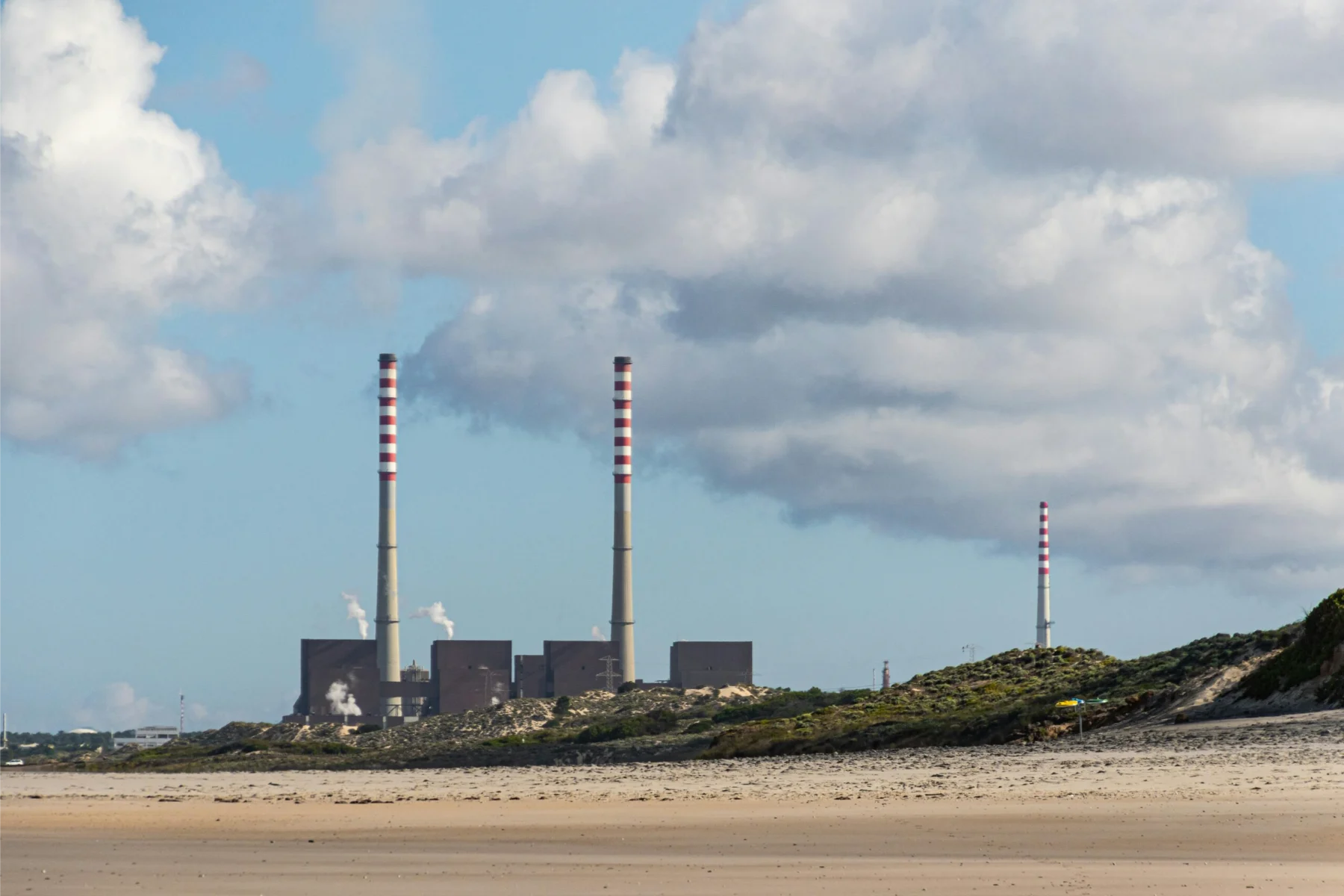
Air Dispersion Modeling: RCRA Risk Assessment
SEC provides expert support for your RCRA Risk Assessment air dispersion modeling, helping facilities manage hazardous waste emissions, demonstrate regulatory compliance, and ensure protection of human health and the environment.
Our Air Dispersion Expert: Liesa Elliott
RCRA Risk Assessment Air Dispersion Modeling
What is RCRA Risk Assessment?
A Resource Conservation and Recovery Act (RCRA) Risk Assessment is a regulatory evaluation performed to demonstrate that hazardous waste management units comply with performance standards requiring protection of human health and the environment. For units with potential air emissions, the assessment relies heavily on dispersion modeling to estimate:
-
- Ground level concentrations of pollutants in ambient air
- Air concentration and deposition rates at specific locations around the facility
- Inhalation exposure and dose to human populations for evaluating acute and chronic non-cancer/cancer risks
- Maximum 1-hour and annual average emissions for pollutants
- Spatial distribution and dilution of pollutants
- Impacts on air quality at the facility’s property line and beyond
Risk assessments follow EPA’s four-part framework:
-
- Hazard Identification
- Dose-Response Assessment
- Exposure Assessment
- Risk Characterization
Hazard waste incinerators operating under 40 CFR Part 264 are specifically required to conduct risk assessment as part of the permitting process.
When is RCRA Air Dispersion Modeling Required?
RCRA Risk Assessment air dispersion modeling is required when a facility must demonstrate compliance with air-related performance standards under federal hazardous waste and Clean Air Act regulations. Modeling is typically necessary whenever emissions from hazardous waste management units have the potential to impact off-site receptors and must be evaluated through a quantitative risk assessment. This commonly occurs when facilities are:
-
- Operating hazardous waste combustors that must comply with National Emission Standards for Hazardous Air Pollutants (NESHAP) under the Clean Air Act
- Managing hazardous waste under RCRA Subtitle C requirements
- Complying with standards in 40 CFR Part 264 for treatment, storage, and disposal facilities
- Complying with standards in 40 CFR Part 264 Part B Subpart X for miscellaneous units, such as Department of War sites and contractors that treat hazardous waste via Open Burn or Open Detonation (OBOD)
- Operating hazardous waste incinerators regulated under 40 CFR Part 264, Subpart O
- Undergoing RCRA Corrective Action at a treatment, storage, or disposal facility (TSDF)
- Applying for a new RCRA Part B permit
- Renewing or modifying an existing hazardous waste permit
Our SEC experts are here to help determine when modeling is required and prepare comprehensive, defensible analyses tailored to your facility.
Core Components of Modeling for RCRA Risk Assessment
A defensible RCRA air dispersion model integrates multiple data sources, technical analyses, and regulatory methodologies to accurately predict pollutant concentrations and
evaluate potential risks to human health and the environment. The modeling framework must comply with CFR Part 51, Appendix W. The core components of RCRA Risk Assessment include:
-
- Hazard Identification – Determining the chemicals of concern (COCs) associated with facility operations, including reviewing waste characterization data, emission inventories, and historical monitoring results to identify which pollutants require quantitative assessment.
- Data Collection – Gathering representative samples of waste streams, emissions, and environmental media, followed by analytical testing to establish concentrations and validate modeling inputs.
- Exposure Assessment – Evaluating how human and ecological receptors may come into contact with contaminants, including calculating exposure point concentrations, inhalation rates, and dose intakes for acute, chronic, and cancer/non-cancer endpoints.
- Toxicity Assessment – Assessing the potential for identified contaminants to cause adverse health effects using established toxicological benchmarks such as reference doses, reference concentrations, and cancer slope factors.
- Air Dispersion Modeling – Using regulatory-approved models (typically AERMOD) to simulate atmospheric transport, concentration, deposition, and dilution of emissions.
- Risk Characterization – Integrating hazard, exposure, and toxicity data to quantify the likelihood of adverse effects, compare calculated risks to regulatory thresholds, and summarize results in a clear format suitable for permitting and compliance documentation.
- Clean Air Act Compliance – Risk assessments include an analysis to demonstrate compliance with National Ambient Air Quality Standards (NAAQS)
Regulatory Framework for RCRA Risk Assessment
RCRA air dispersion modeling is conducted within a clearly defined regulatory structure, including:
-
- 40 CFR Part 264 – Standards for hazardous waste treatment, storage, and disposal facilities
- 40 CFR Part 264 Part B Subpart X – Standards for miscellaneous hazardous waste treatment such as OBOD
- 40 CFR Part 51, Appendix W – U.S. EPA Guideline on Air Quality Models · Resource Conservation & Recovery Act (40 CFR Parts 239 through 282) – Federal hazardous waste statues
- U.S. EPA Guidance: Human Health Risk Assessment Protocol (HHRAP) for Hazardous Waste Combustion Facilities – This guidance is no longer updated, but provides a helpful framework for how to incorporate dispersion modeling into risk assessment
- U.S. EPA Guidance: Guidelines for Ecological Risk Assessment
Seeking Support for RCRA Risk Assessment?
Reach out to us today via the “Free Consultation” button below! Our experts are ready to guide you through
every step of your RCRA air dispersion modeling and risk assessment process, ensuring compliance and
protecting both human health and the environment.
Serving the Southeast
NASHVILLE | CHATTANOOGA | BIRMINGHAM
Serving the Southeast
NASHVILLE | CHATTANOOGA | BIRMINGHAM
NASHVILLE
CHATTANOOGA
BIRMINGHAM