
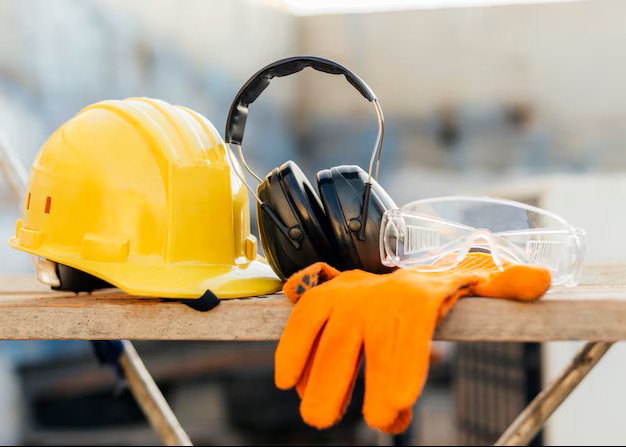
Program Development & Support: Hearing Conservation
SEC provides expert support to help organizations design and implement Hearing Conservation Programs that comply with OSHA regulations. Our tailored approach assists at every step, from noise monitoring to training, to protect workers from noise-induced hearing loss (NIHL).
Hearing Conservation Program Requirements & Components
What is a Hearing Conservation Program?
A Hearing Conservation Program (HCP) is a system of procedures and controls designed to prevent hearing loss caused by workplace noise exposure. OSHA’s Occupational Noise Exposure Standard (29 CFR 1910.95) requires employers to establish an HCP when employees are exposed to noise levels of 85 dBA (8-hour TWA) or greater. A compliant program includes:
-
- Noise monitoring
- Use of protective equipment
- Audiometric testing
- Employee training
- Recordkeeping
Who Needs a Hearing Conservation Program?
Employers must implement a Hearing Conservation Program when:
-
- Workers are exposed to noise levels at or above 85 dBA (8-hour TWA)
- Employees must raise their voices to be heard at a distance of 2–3 feet
- Extended work shifts increase exposure into hazardous ranges:
- 84 dBA for 9 hours
- 83 dBA for 10 hours
- 82 dBA for 12 hours
Industries such as manufacturing, construction, maintenance, and federal facilities often require structured programs to protect employees from NIHL.
Key Elements of Hearing Conservation Program
-
- Noise Exposure Assessment – Measure and monitor workplace noise levels to identify at-risk employees.
- Baseline Audiogram – Establishes a reference against which future tests are compared
- Annual audiograms – Conducted within one year of the baseline to detect changes
- Audiometric Testing – Provides ongoing monitoring and an opportunity to educate employees about hearing protection
- Engineering & Administrative Controls – Reduce noise exposure through equipment modifications, barriers, or scheduling changes.
- Hearing Protection Devices (HPDs) – Provide properly fitted earplugs, earmuffs, or specialty protection.
- Audiometric Testing – Conduct baseline and annual hearing tests to detect shifts and protect employee health.
- Employee Training & Education – Train workers on noise hazards, proper HPD use, and program requirements.
- Recordkeeping – Maintain documentation of noise monitoring, audiometric testing, and training.
- Program Evaluation – Periodically review and update program effectiveness.
- Noise Exposure Assessment – Measure and monitor workplace noise levels to identify at-risk employees.
Importance of Hearing Conservation Program
Noise-induced hearing loss is permanent but preventable. A strong HCP ensures:
-
- Employee protection from workplace injuries and long-term health issues
- Facility compliance with OSHA 29 CFR 1910.95
- Demonstrated commitment to workplace health and safety
By implementing an HCP, employers safeguard their workforce and strengthen their safety culture.
Seeking Support with Developing A Hearing Conservation Program?
Do not hesitate to reach out via the “Free Consultation” button below. The SEC team is ready to help your facility meet all aspects of hearing conservation compliance while protecting your employees.

Serving the Southeast
NASHVILLE | CHATTANOOGA | BIRMINGHAM
Serving the Southeast
NASHVILLE | CHATTANOOGA | BIRMINGHAM
NASHVILLE
CHATTANOOGA
BIRMINGHAM