
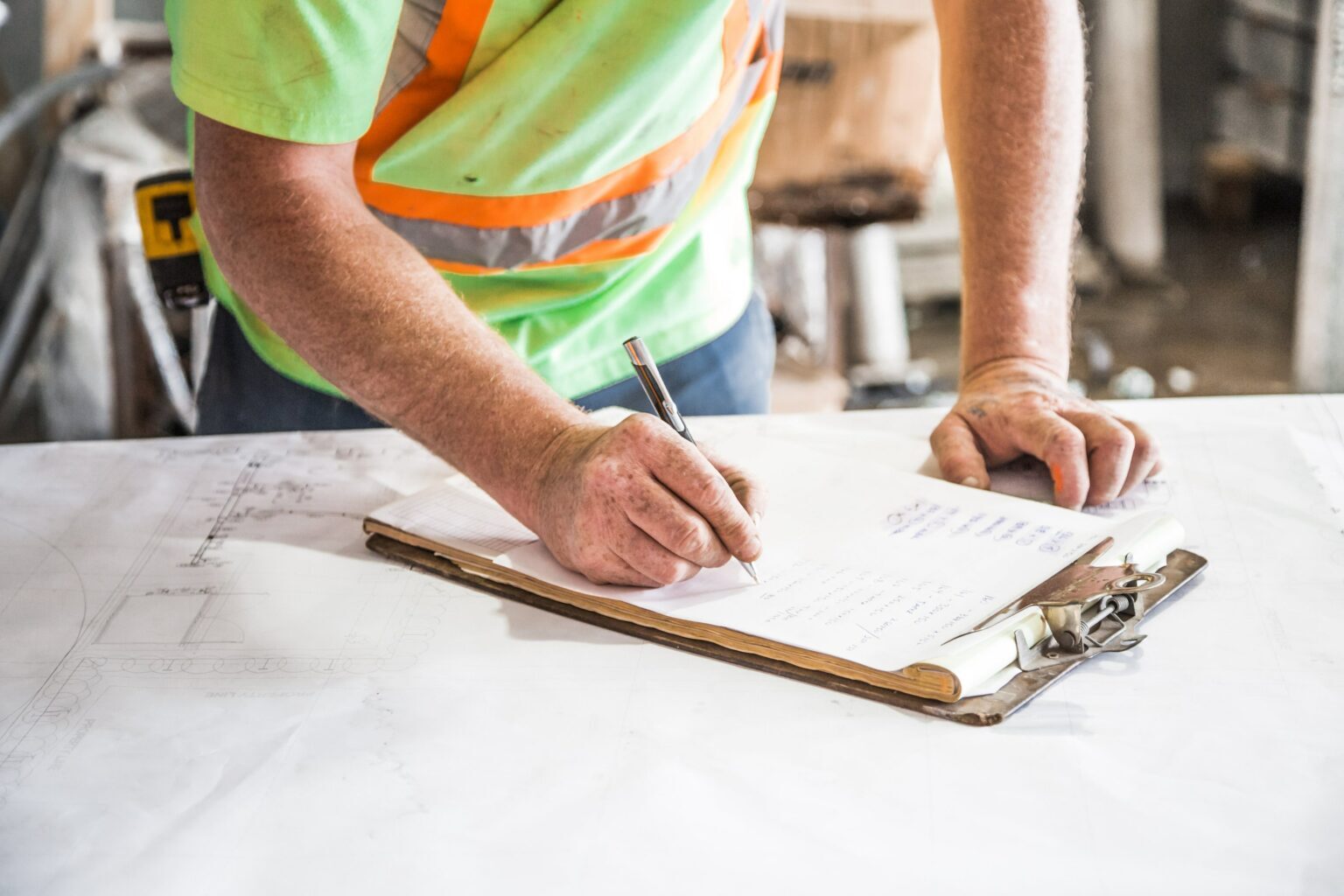
Training: Resource Conservation and Recovery Act (RCRA)
SEC provides RCRA training to help facilities properly manage their hazardous waste, classify/label waste, and keep records in accordance with state and federal regulations.
RCRA Training for Hazardous
Waste Management Compliance
What is RCRA Training?
The Resource Conservation and Recovery Act (RCRA) is the United States’ primary law that governs the disposal of solid and hazardous waste. The regulations are designed to protect human health and environment.
RCRA training equips employees with the knowledge to properly handle, store, and disposal of hazardous and solid waste in compliance with federal and state requirements. States with their own authorizing RCRA programs, which are all states except Alaska and Iowa, may have additional or varying regulations. The EPA’s list of RCRA Training Modules organized into various regulatory topics are found here.
Key Objectives of RCRA Training
The objectives of RCRA training are to ensure:
-
- Proper handling, storage, and disposal of hazardous waste
- Compliance with federal and state RCRA regulations
- Implementation of waste minimization practices
- Emergency response readiness
- Accurate reporting and documentation
Who Needs RCRA Training?
In general, any employee who interacts with hazardous waste requires RCRA training. This includes employees who:
-
- Generate, handle, accumulate, or store hazardous waste
- Identify and characterize waste
- Complete waste profiles and labels
- Manage waste manifests and coordinate shipments
- Inspect Satellite Accumulation Area (SAA) or Central Accumulation Area (CAA)
- Maintain hazardous waste records and reports
- Supervise or oversee hazardous waste operations
- Respond to hazardous waste spills or incidents
Generator Status & Training
Training requirements vary by generator status under 40 CFR 262, but states with authorized RCRA programs may impose more stringent standards.
Generator Category Definition
-
- Very Small Quantity Generator (VSQG): <100 kg of hazardous waste per month; <1 kg of acute hazardous waste; <100 kg of acute spill residue.
- Small Quantity Generator (SQG): 100–1,000 kg of hazardous waste per month; <1 kg of acute hazardous waste.
- Large Quantity Generator (LQG): ≥1,000 kg of hazardous waste per month, or ≥1 kg acute hazardous waste, or >100 kg acute spill cleanup residue.
Federal Training Requirements by Generator Status
-
- Very Small Quantity Generator (VSQGs) – §262.14
- Training Requirement: No formal RCRA training required
- Expectation: Personnel must know enough to ensure compliance with accumulation, labelling, and disposal standards
- State Note: States such as California and Washington expect more robust documentation or awareness training for VSQGs
- Small Quantity Generator (SQGs) – §262.16(b)(9)(iii)
- Training Requirement: Personnel must be “thoroughly familiar” with hazardous waste management duties
- Training Documentation: Not explicitly required to keep records, but highly recommended to document in case requested during inspections
- State Note: Certain states such as Texas, Minnesota, and New York require formalized training or writing training plans for SQGs
- Large Quantity Generator (LQGs) – §262.17(a)(7)
- Training Requirement: Must complete initial RCRA training within 6 months of hire and receive annual refresher training
- Training Documentation: Employee’s name, title, job description along with description of training content and completion date as proof (Note: records must be kept for at least 3 years)
- State Note: States like California DTSC require LQG training to be tied to a written training plan and impose stricter documentation retention
- Very Small Quantity Generator (VSQGs) – §262.14
For more details regarding RCRA and generator status, head over to SEC’s RCRA permitting page. For state-specific rules, refer to state’s RCRA websites.
When/How Often is RCRA Training Required?
The duration of training isn’t specified, but key rules include:
-
- Initial Training: Within 6 months of hire or assignment to hazardous waste duties
- Annual Refresher: Required for LQGs, strongly recommended for SQGs
- State Requirements: State-authorized programs (all states except Alaska and Iowa) may have additional rules Key rules and regulations
RCRA Training Non-Compliance Penalties
Failure to comply with RCRA can result in:
-
- Civil Penalties: more than $80,000 per day, per violation
- Criminal Penalties: 2-5 years of imprisonment if EPA proves facility purposely acted against rule
- Long-term Liability: Addition of regulations such as Comprehensive Environmental Response, Compensation, Liability Act (CERCLA)
Importance of RCRA Training
RCRA training is critical for maintaining a safe workplace, ensuring compliance, and promoting environmental responsibility. Training is often necessary due to:
-
- Regulatory Changes – Updates to federal or state regulations
- Employee Turnovers – New hires trained, or refresher training needed for existing staff
- Operational Changes – New processes or waste streams may require updated training
Need RCRA Training?
Reach out to us immediately via the “Get a Quote” button below! Our SEC team is ready to help build a safer workforce and workplace.
Serving the Southeast
NASHVILLE | CHATTANOOGA | BIRMINGHAM
Serving the Southeast
NASHVILLE | CHATTANOOGA | BIRMINGHAM
NASHVILLE
CHATTANOOGA
BIRMINGHAM